TIMELESS LIGHTING · BESPOKE DESIGN · TRADE & B2B

Luxury Style


Luxury Lifestyle
Luxury living is an attitude, a shift in material and spiritual needs. It advocates for a lifestyle philosophy of “luxury and new fashion.” Luxury is merely a way of life that places greater emphasis on the quality of life, independent of wealth or status. It represents a pursuit of high-quality living details. Amidst the intensifying storm of luxury goods, people can easily experience luxury—though their spending power may not match that of extravagant billionaires, their love and loyalty for top brands is undiminished. They are willing to, within their economic means, indulge in small luxury items such as wallets, belts, sunglasses, perfumes, etc., to embellish their lives.
In comparison to sports cars and mansions, small luxury items seem more fitting for “personal possessions.” Luxury living truly embodies the luxurious details of life. It not only represents a refined lifestyle but also signifies the high-quality life details that everyone is enjoying. It is by no means unattainable. In terms of luxury consumption concepts, luxury has long surpassed the stage of “glitz and glamour” and has trended towards a rational, healthy consumption approach. Purchasing luxury goods is not about worship; it’s about reflecting one’s own state of mind, taste, and beliefs.
So, “luxury” in essence should conform to the above characteristics, albeit to a lesser degree. This is a theoretical state. In reality, when modern luxury becomes a style of home decor, it often merely inherits certain characteristic labels from traditional luxury home decor, rather than being a complete simplification in a strict sense: ten carved flowers do not necessarily represent luxury, and one carved flower does not necessarily represent light luxury. Luxury in home decor has evolved from traditional luxury home decor to:
In terms of size, it returns to meeting basic functional needs with moderate exaggeration. It no longer blindly pursues largeness and heaviness but instead pursues delicacy and agility.
In terms of color, it returns to the reasonable combination of neutral colors with stable textures, such as milky white, beige, cement gray, cocoa brown, antique bronze, etc.
In terms of craftsmanship, it has shifted from the pursuit of intricate, glamorous surface decorations to simple yet exquisite line art and delicate detail processing.
Scarcity has shifted from the traditional pyramid’s apex to covering the entire upper-middle part.
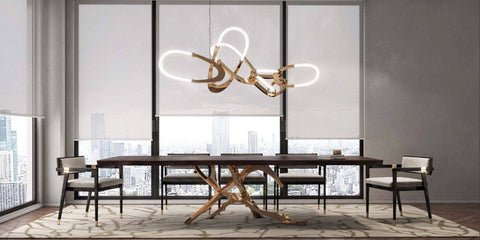
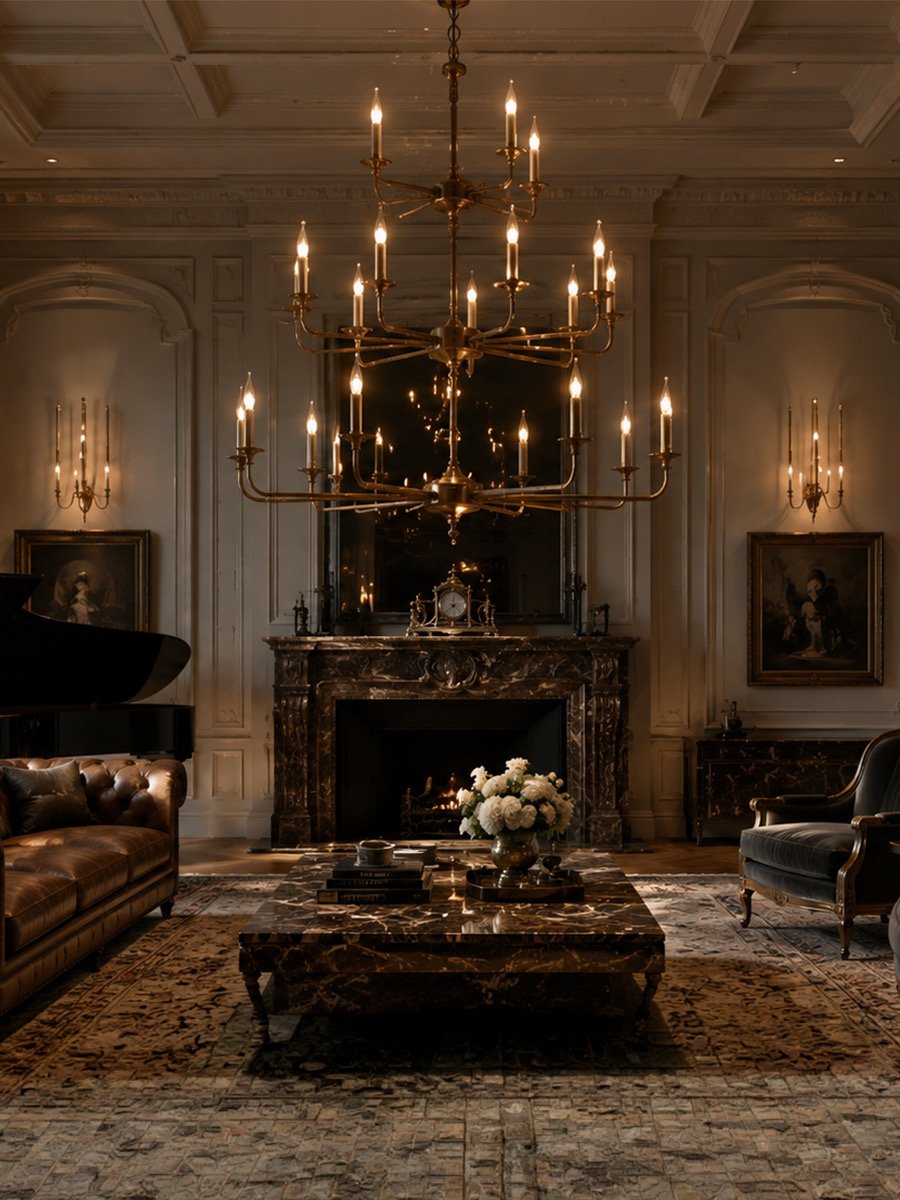
What exactly is the luxury decoration style?
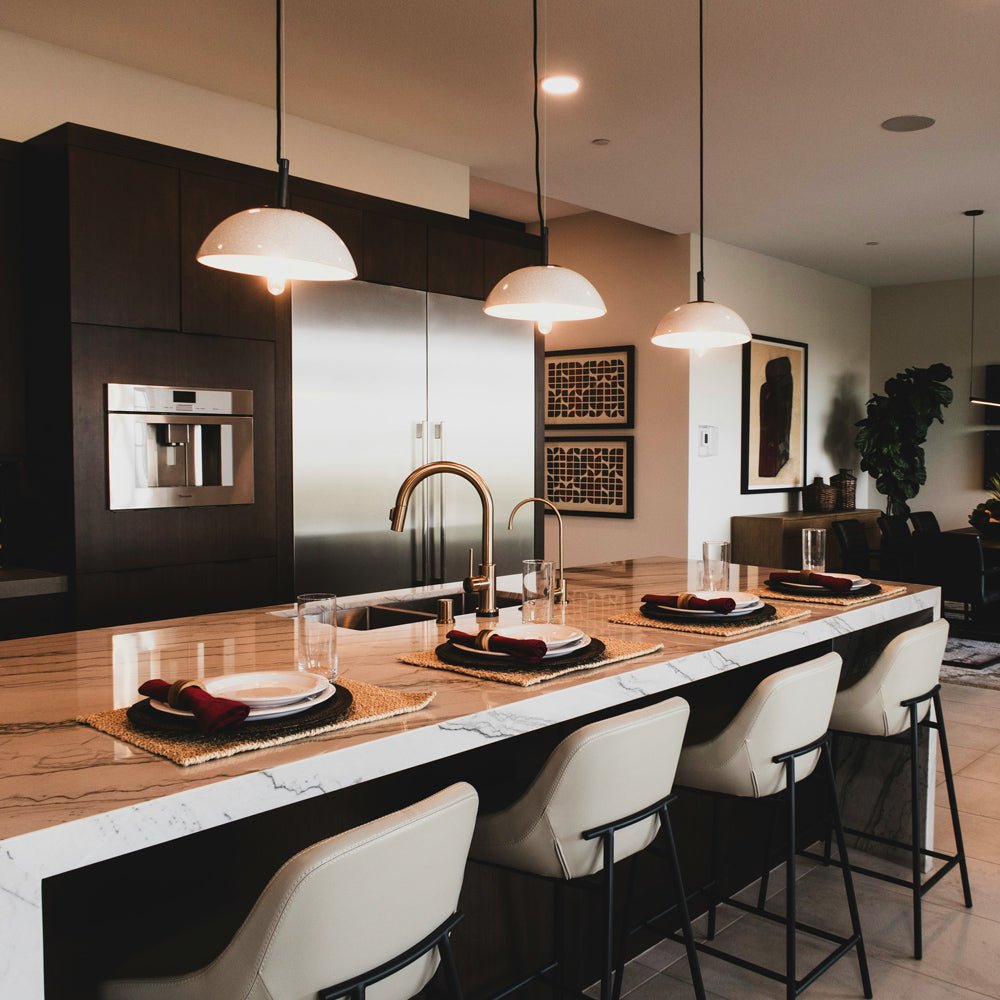
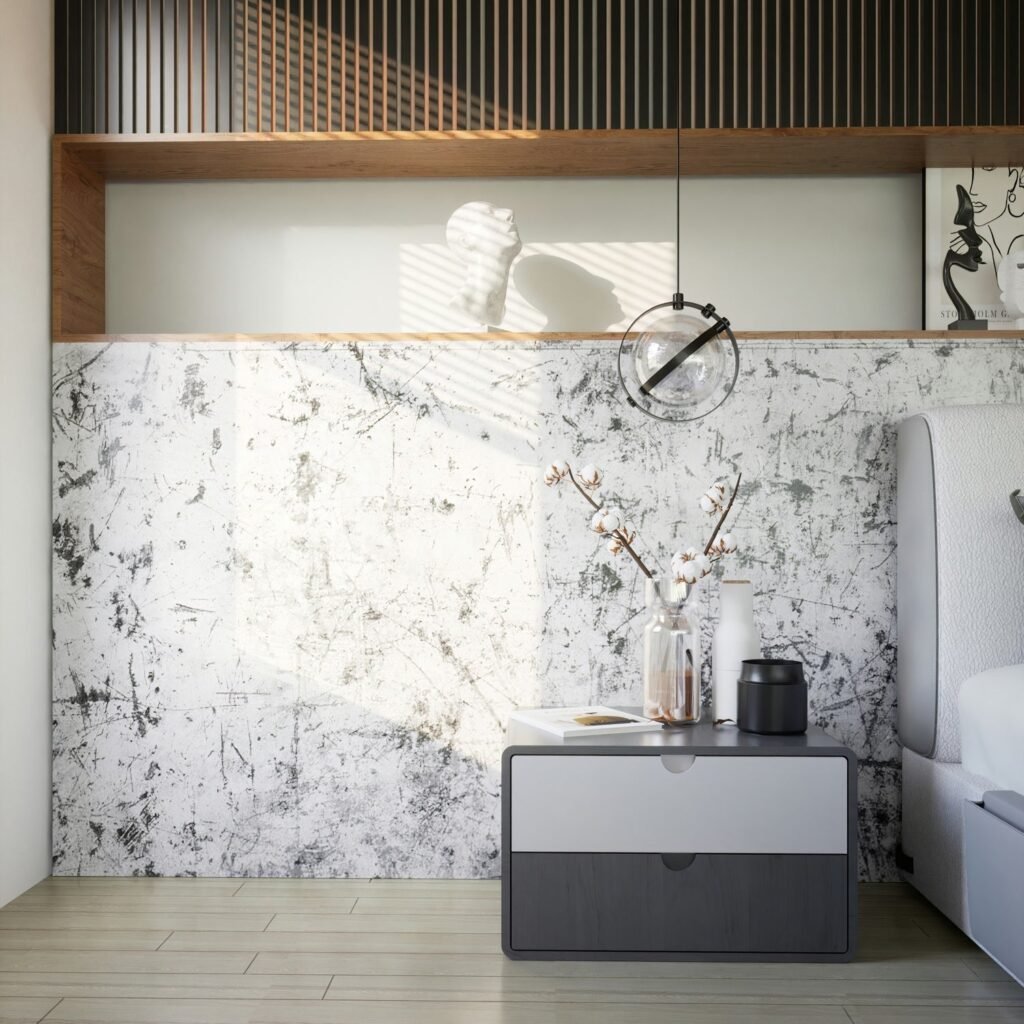
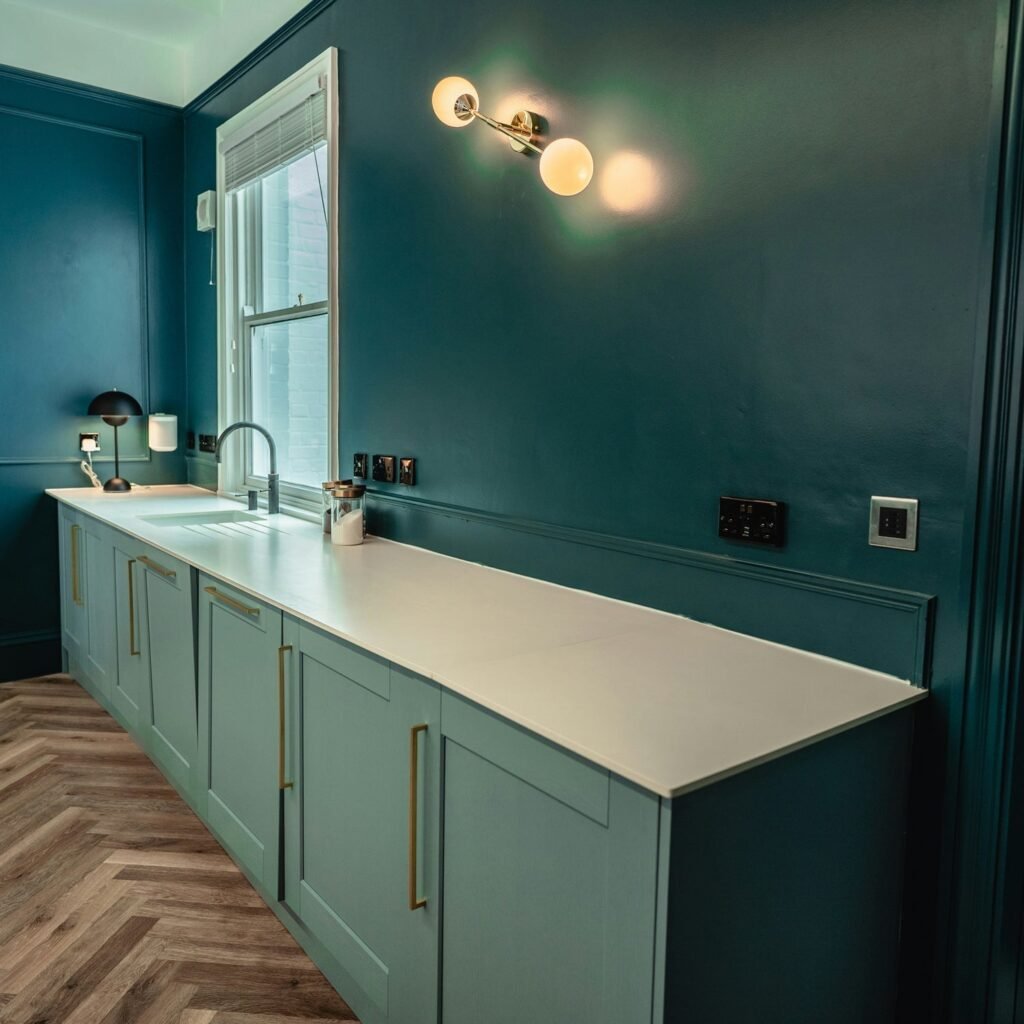
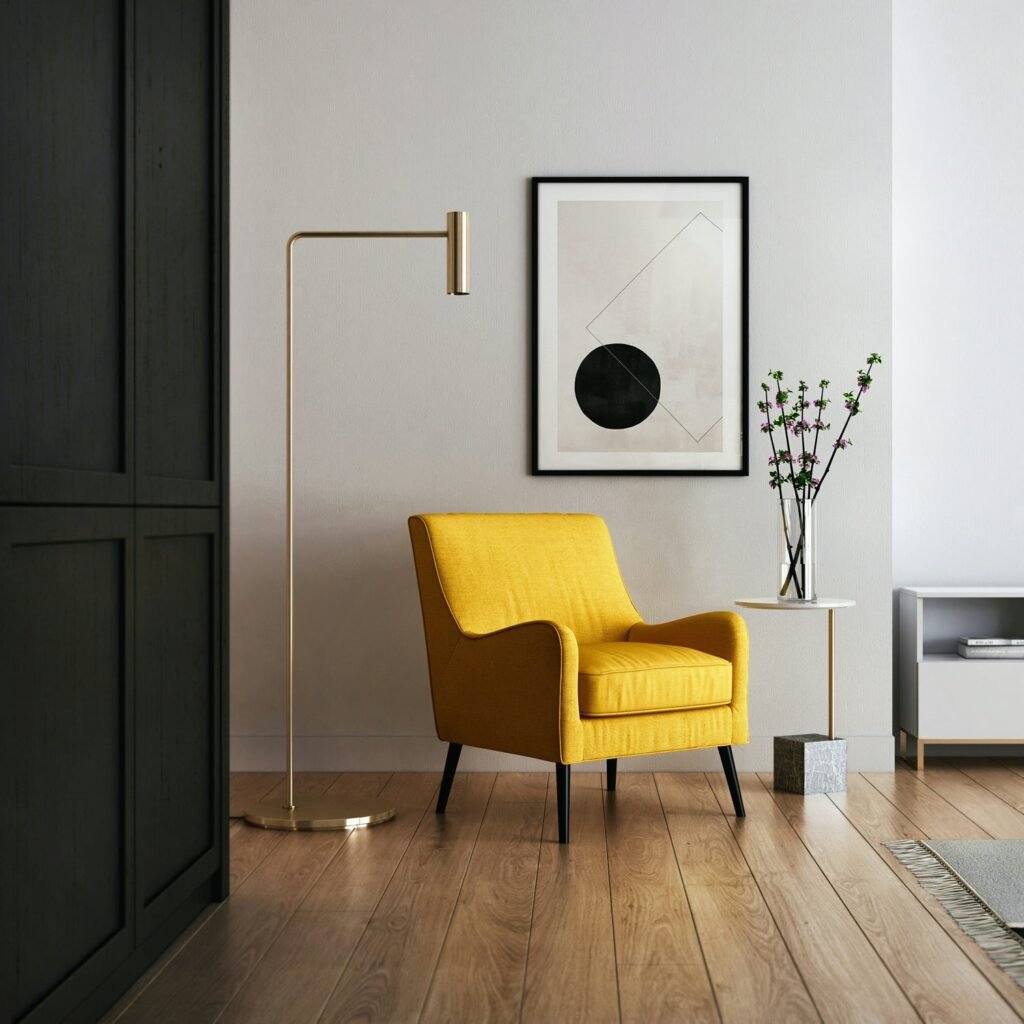
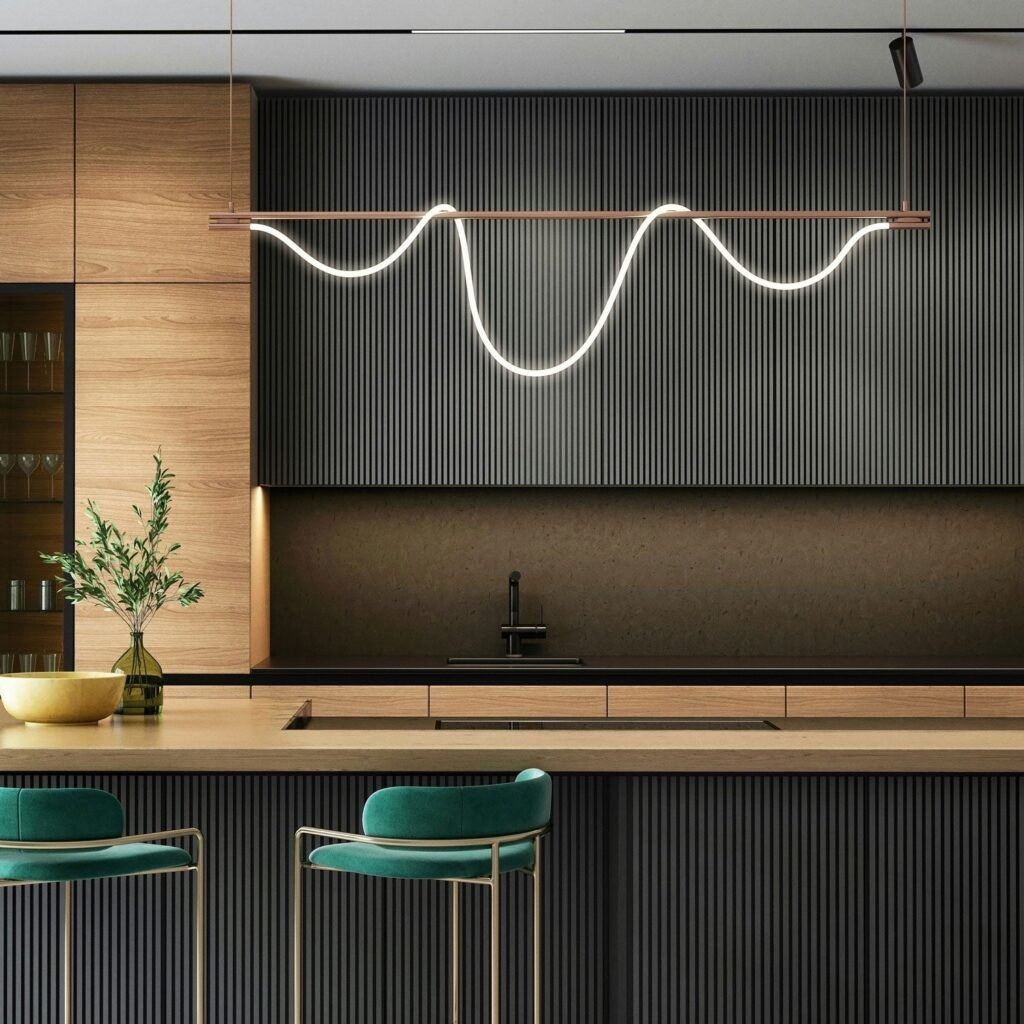
So-called “luxury” is actually based on an extremely simple style, abandoning complex elements such as European or French styles. It opts for simpler, more straightforward lines, such as smooth door panel shapes and simple wall panels without excessive carving decoration. Through exquisite soft decoration elements, it highlights texture while also condensing unexpected functionality and details, thereby showcasing a high-quality lifestyle. The luxury style emphasizes the simplicity of hard decoration techniques but isn’t as casual as typical minimalist styles. Beneath its seemingly simple and plain appearance often reflects a hidden noble temperament, mostly achieved through delicate soft decoration elements.

What are the characteristics of the luxury decoration style?
- Simple, yet not as casual as modern minimalism. Wallpaper and furniture lines used for decoration are elegant. Some textiles and furs are used for embellishment, giving a sense of understated luxury with substance beneath the apparent simplicity.
- Perfect fusion of modern and classical elements. Generally, the hard decoration tends towards a modern style, while furniture and soft furnishings lean towards classical styles, creating an overall feel that is fashionable, luxurious, and tasteful.
- Striking colors. High-end black and gray are commonly used to create a clean feeling in the space. Additionally, brighter colors such as camel and ivory white are added to create a warm atmosphere.
- Warm and comfortable. Although the decoration appears generally simple yet luxurious, it aims to create a relaxing home environment.

Characteristics of the light luxury style
- Simple design — Decoration design is based on high quality and simplicity, stylish, avant-garde, and elegant.
- Fusion of classical and modern elements — Hard decoration tends to be modern, while furniture and soft decoration lean towards classical, creating a luxurious and tasteful style.
- Striking colors — Combines high-end black, gray, camel, and ivory white to form a warm, stylish atmosphere.
- Warm and comfortable — Focused on lifestyle quality, soft decorations make the home more relaxing and cozy.