TIMELESS LIGHTING · BESPOKE DESIGN · TRADE & B2B

Scandinavian Style

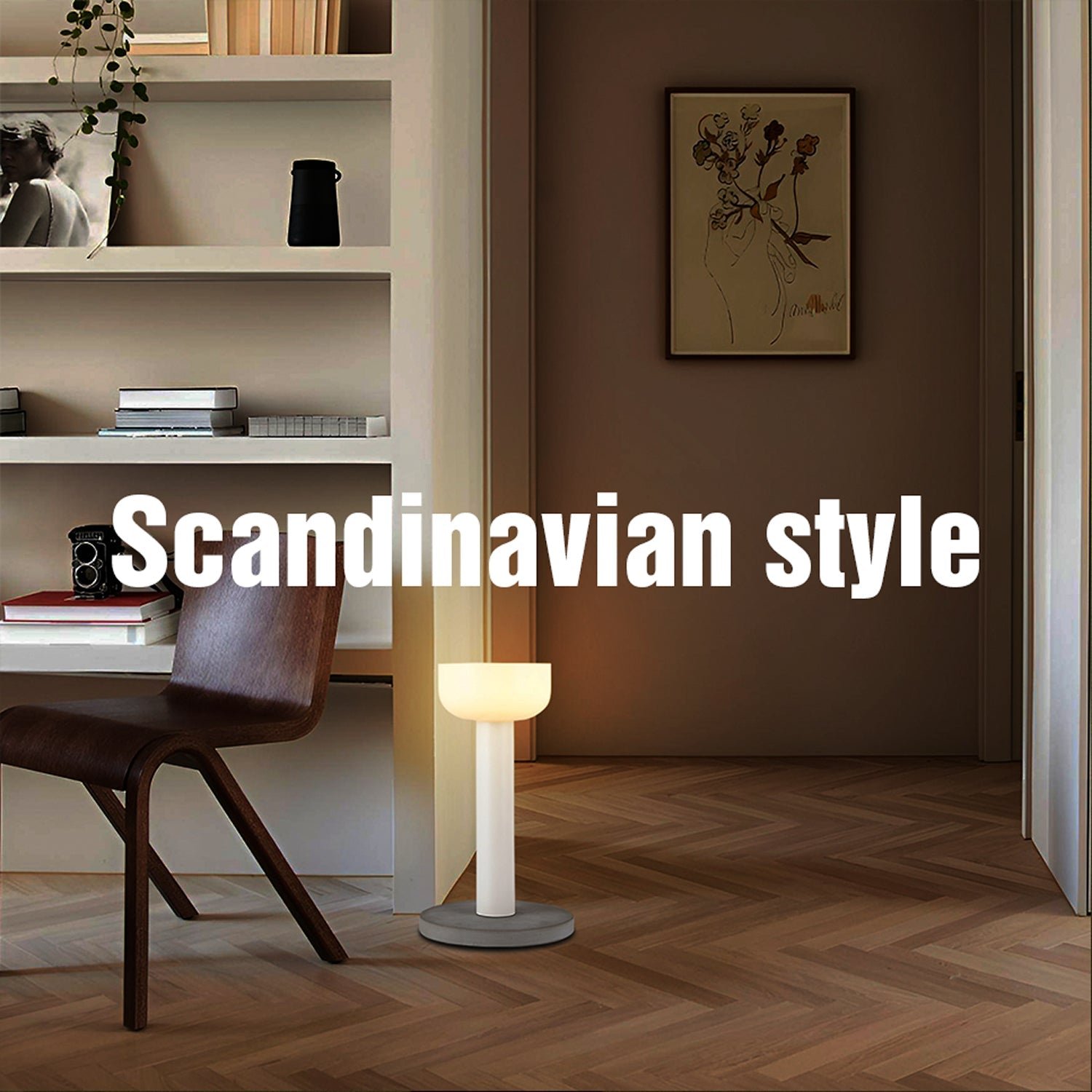
Scandinavian Style
In recent years, Scandinavian style has surged in popularity in home design. In an era where aesthetic fatigue is common, the return to a natural and simple lifestyle embodied by Scandinavian design has surprisingly become an enduring trend.
Originating from the northern European countries of Norway, Denmark, Sweden, and Finland, Scandinavian style emphasizes functionality. In the resource-scarce northern regions, practicality and functionality are prioritized over extravagant decoration, with a focus on human-centered interior and furniture design.

Characteristics of Scandinavian Style Spaces
- Spaciousness — Scandinavian spaces feature wide areas and excellent natural light. Rooms are framed without unnecessary partitions, creating a sense of openness.
- Abundant Natural Light — Large windows and skylights maximize natural daylight, providing a warm and inviting atmosphere.

- Clean and Simple Design — Unlike French, English, Mediterranean, or Rococo, Scandinavian design embraces minimalism, rarely using complex moldings or wall panels.
- Sophisticated Yet Simple Shapes — Simple yet versatile forms create varied visual effects, adding to design flexibility.
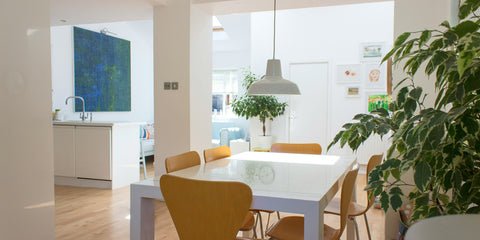
- Extensive Use of Wood — Wooden furniture and accents dominate, sometimes complemented with subtle paint colors.
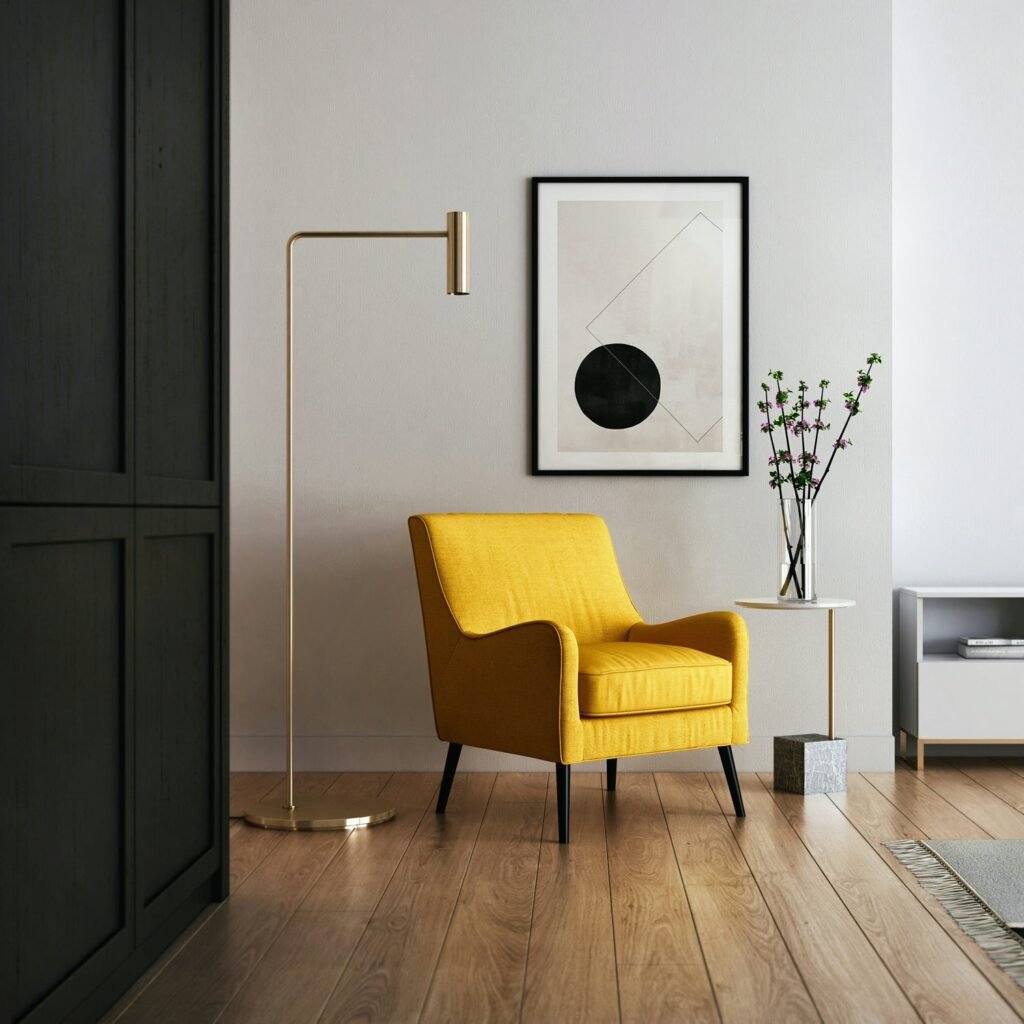
- Simple Color Palette — White, gray, and natural wood tones are the core. Additional colors are soft and understated, mainly in soft furnishings.
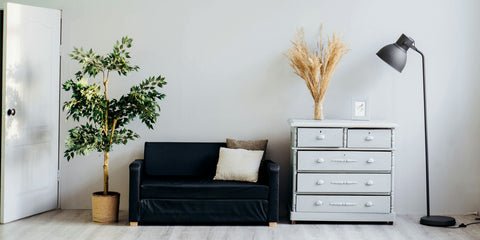
- Natural Fabrics — Cotton and linen are favored; silk is rare. Rugs and carpets are widely used to complement the cozy aesthetic.
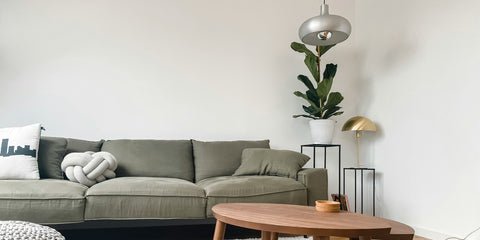
Materials play a crucial role in expressing Scandinavian style in interior design. Understanding these characteristics helps in selecting appropriate elements for harmonious spaces.